
May 7th 2026
Designing Outdoor Rooms in Urban Environments: Creating Structure in Plazas, Rooftops, and Courtyards
Designing Outdoor Rooms in Urban Environments: Creating Structure in Plazas, Rooftops, and Courtyards
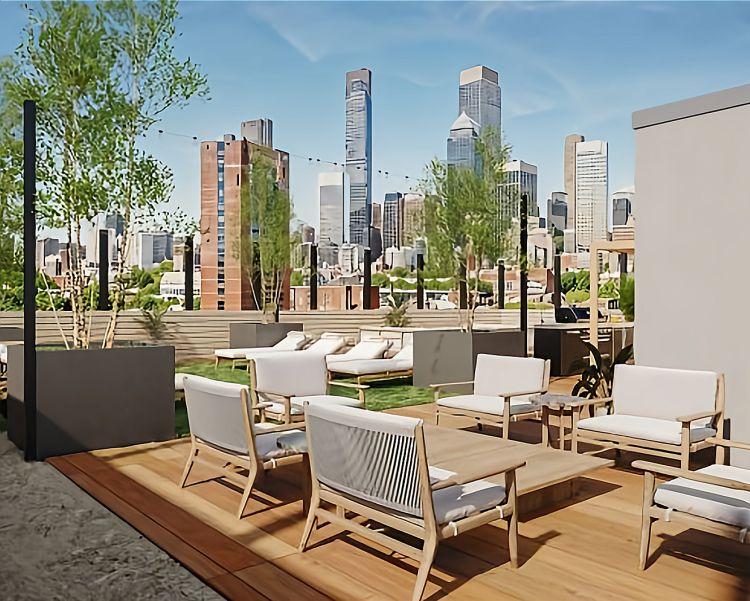
As urban density increases, the value of high-quality outdoor space has skyrocketed. However, the challenge for designers and property managers is often how to take a vast, flat expanse—be it a concrete plaza, a wind-swept rooftop, or a shadowed courtyard—and make it feel purposeful and inviting.
The secret lies in the concept of the "Outdoor Room." By applying the principles of interior architecture to the outdoors, you can transform a public or private area into a functional, comfortable destination. This transformation relies on three core structural elements: planters, seating, and screens.
- Planters: The Living Walls of Urban Design
In an interior, walls define the room. In an urban environment, large-scale planters serve this same purpose. Rather than just being vessels for greenery, commercial planters act as "soft" architecture.
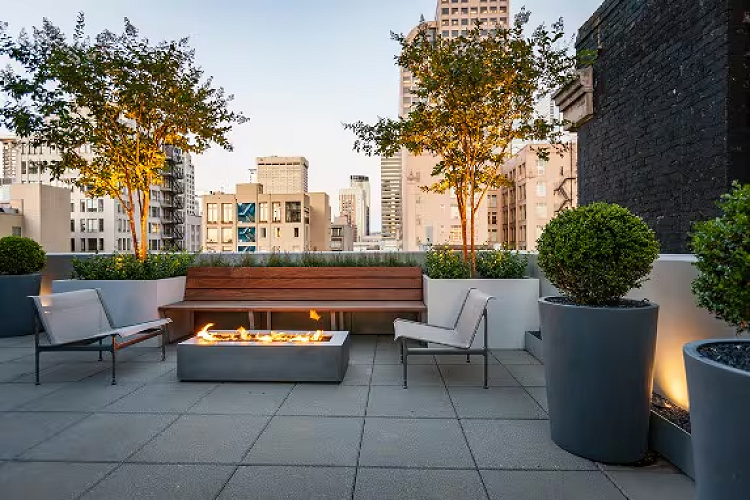
- Defining Boundaries: Long, rectangular planters like the Modern Fiberglass Planters can be used to edge a rooftop, providing a safety barrier that feels lush rather than clinical.
- Directional Flow: In large plazas, staggered planters create natural pathways, guiding foot traffic toward entrances or seating clusters.
- Scale and Proportion: In environments with towering skyscrapers, oversized planters help "lower the ceiling," making the human experience at ground level feel more intimate and less exposed.
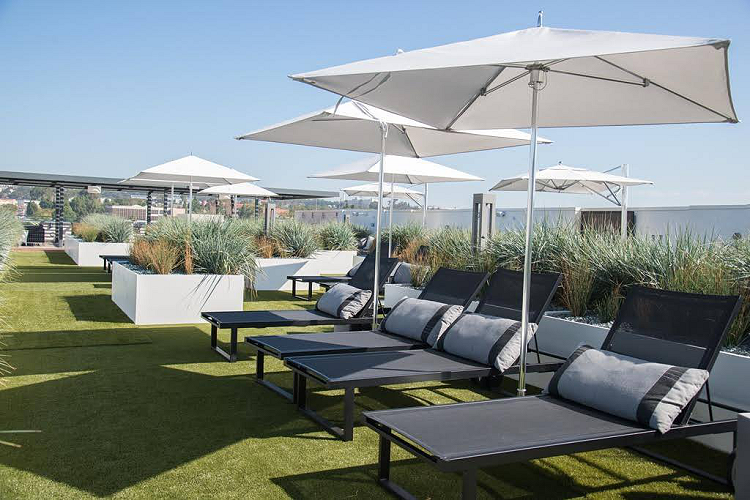
- Integrated Seating: Encouraging "Stay" Time
The difference between a space people walk through and a space people walk to is often the availability of seating. To create a true outdoor room, seating should feel like a permanent fixture of the design.
- Modular Arrangements: Using modular benches allows for flexible configurations—circles for group interaction or long "S" curves for individual contemplation.
- Planter-Bench Combos: To maximize space in tight courtyards, integrated seating (where the bench is built into the planter wall) provides a seamless look. It saves square footage while surrounding the sitter with the cooling effects of vegetation.
- Ergonomics and Material: Selecting materials like thermally modified wood or high-quality composites ensures the seating remains comfortable in both the heat of summer and the chill of autumn.
- Screens and Trellises: Privacy and Verticality
Privacy is the most sought-after luxury in urban environments. Screens and trellises provide the "vertical interest" necessary to make a space feel enclosed and secure.
- Managing Wind and Sun: On rooftops, decorative laser-cut metal screens or tall trellises can act as windbreaks and provide dappled shade, making the environment habitable during peak sun hours.
- Acoustic Buffering: While they won’t block out city noise entirely, screens paired with dense climbing plants (like ivy or jasmine) can help muffle the "crosstalk" of a busy street or a neighboring terrace.
- Visual Zoning: Use screens to hide unsightly but necessary urban infrastructure, such as HVAC units, trash receptacles, or utility boxes, ensuring the aesthetic of the "room" remains uninterrupted.
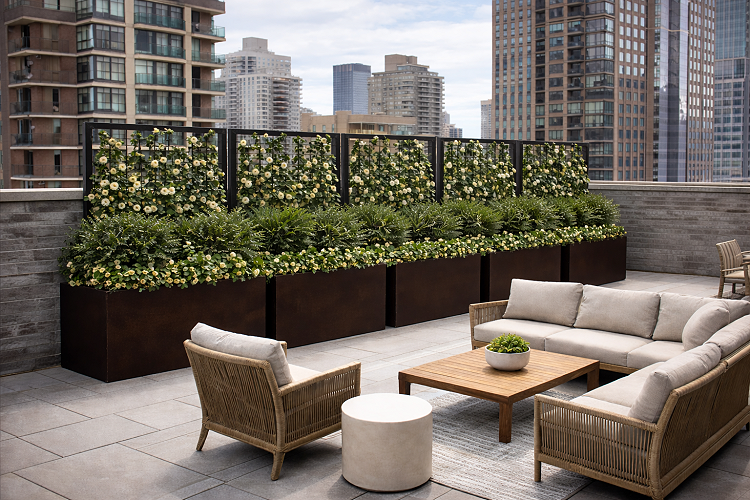
When designing an outdoor room, the goal is to balance hardscape and softscape.
Start by identifying the primary function of the space. Is it a corporate break area for focused work? A high-turnover cafe plaza? Or a residential rooftop meant for evening socializing? Once the function is defined, use planters to set the perimeter, seating to define the hubs of activity, and screens to provide the necessary privacy and weather protection. By treating these elements as structural tools rather than mere accessories, you can turn any urban void into a vibrant, living room in the open air.
Contact our design experts today to discover how our custom planters and site furnishings can bring structure and sophistication to your next urban project.